Technique · 6 min read · May 12, 2026
Why Your Landscape Photos Come Out Flat (And How to Fix Them)
If your landscape photos look flat, it's rarely your gear. It's almost always the light, the timing, and a missing foreground. The camera doesn't see the way your eye does, and once you understand that difference, your photographs change. Here are the four fixes that matter most.
In this guide
Your eye lies to you (in the best way)
When you stand in a beautiful place, your eye brings enormous dynamic range, constant refocusing, and a lifetime of memory and feeling to the scene. The sensor records one cold slice of light. A brilliant midday sky that looks stunning to you is, to the camera, a flat wash with harsh shadows. Ansel Adams called it a 'bald-headed day' for a reason.
Accepting this is the whole shift. You stop photographing what you feel and start photographing what the light is actually doing.
Fix 1: Shoot at the edges of the day
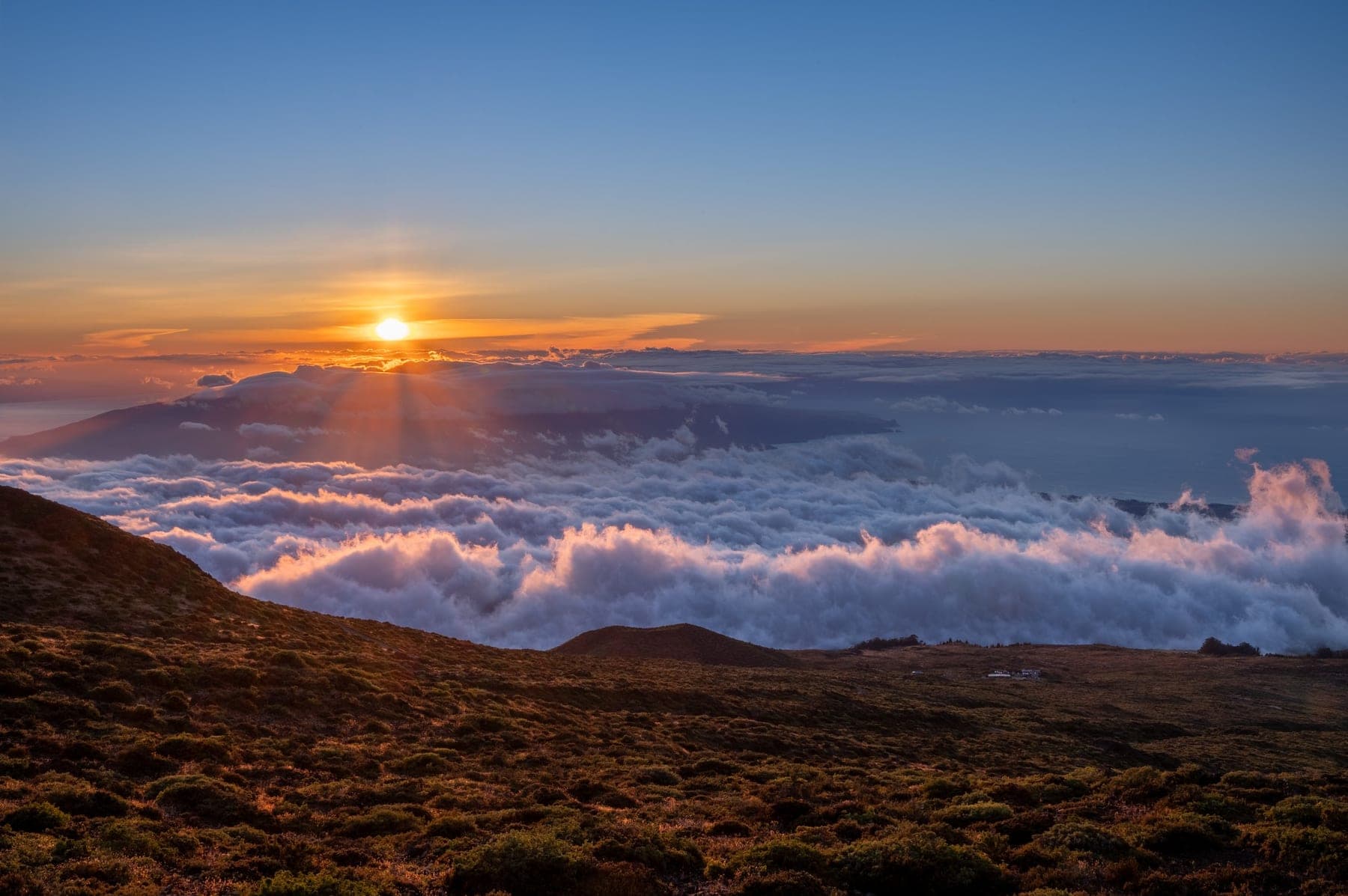
The single biggest change you can make is timing. At sunrise, sunset, and the blue hour just after, light rakes across the land at a low angle and gives everything shape, texture, and depth. Midday light comes from overhead and flattens everything. Foggy mornings and the break after a storm are gifts. Be there for them.
Fix 2: Give the eye a way in
A flat image usually has nothing to lead the eye. Put something deliberate in the foreground (a rock, a line of surf, a patch of flowers, a fallen log) close to the lens, and let it carry the viewer back into the scene. Foreground, middle ground, and background together create the sense of depth a single distant subject can't.
Fix 3: Find a real subject
'A pretty view' is not a subject. Ask what the photograph is actually about, whether this lone tree, that shaft of light, or this curve of the river, and build the frame around it. Everything else in the image should support that one thing, not compete with it.
Fix 4: Process with intention
A RAW file is meant to look flat straight out of the camera, holding all the information for you to shape. A little contrast, careful attention to the shadows and highlights, and gentle local adjustments bring the scene back to life. Not fakery, just finishing what the sensor started.
Common questions
- Why do my landscape photos look flat and boring?
- Usually because of flat, overhead light (often midday), a lack of foreground interest, and no clear subject. Shoot during golden or blue hour, add a strong foreground element, and build the frame around one subject.
- Is it my camera that makes my photos look flat?
- Almost never. The same camera makes flat and stunning images depending on the light and composition. Fix the timing and the framing before you blame the gear.
Want to photograph these places with me?
I teach privately and lead small-group photography journeys to the locations in these guides.
Learning & journeys