Technique · 6 min read · June 24, 2026
How to Photograph Waterfalls (a Field Guide from Mine Falls Park)
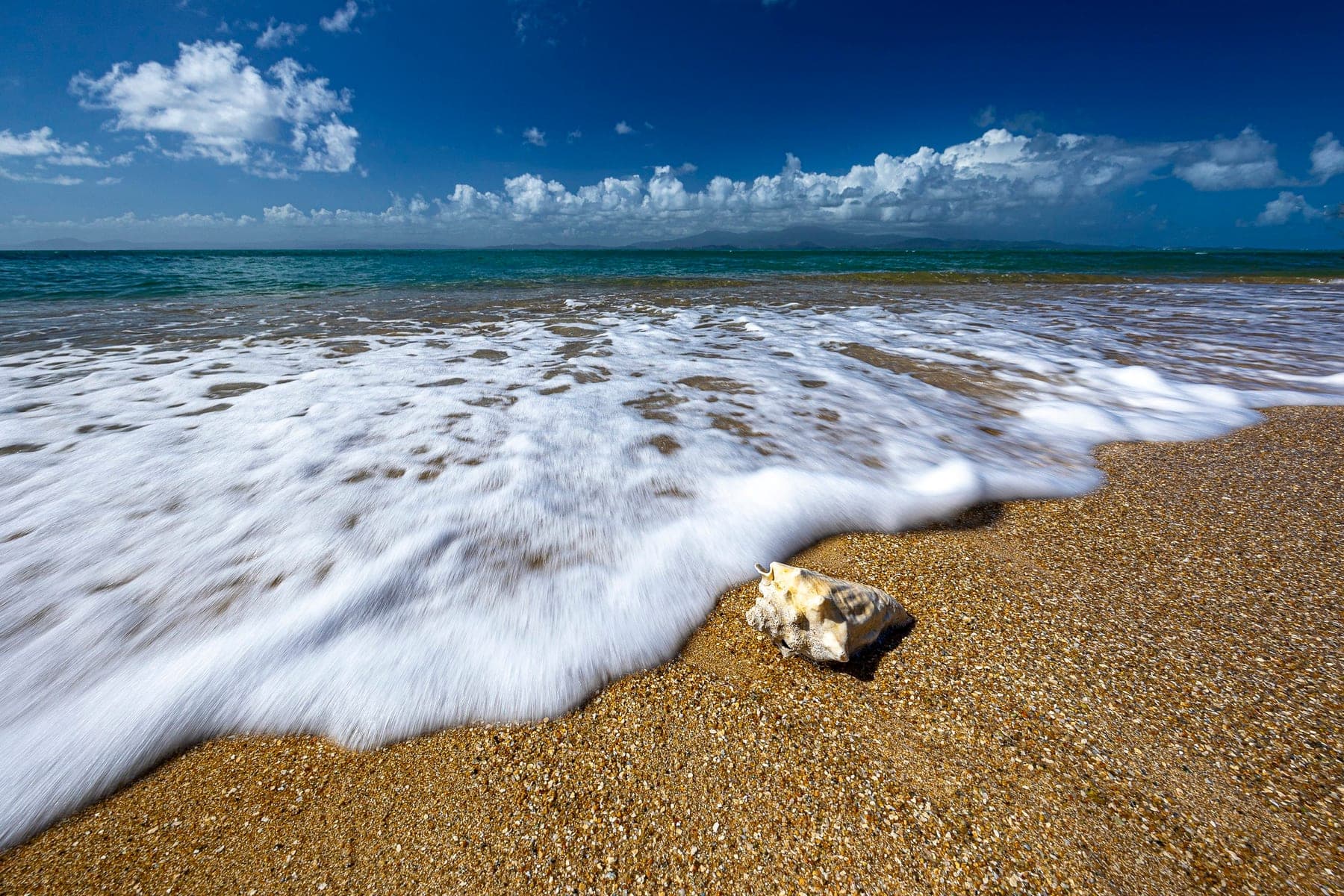
To photograph a waterfall, put the camera on a tripod and choose your shutter speed on purpose: roughly 1/4 to 2 seconds blurs the water into silk, while 1/500 and faster freezes every droplet. On a bright day you'll want a polarizer or a neutral-density filter so the long exposure doesn't blow out. Here's the method I teach on the water at Mine Falls Park.
In this guide
Pick the look first
Decide before you shoot: do you want the water soft and dreamy, or sharp and powerful? Soft means a slow shutter, half a second to a couple of seconds. Frozen means a fast one, 1/500 or quicker. There's no right answer, only the one you're after.
An overcast day is a gift for waterfalls. Flat light means no blown-out highlights on the white water and no harsh shadows under the trees. The whole scene sits in an even, workable range.
The setup
Tripod, low ISO (100), and an aperture around f/8 to f/11 for sharpness. Set the shutter for the look you chose, and trigger with a 2-second timer or a remote so you don't shake the camera. A polarizer cuts the glare off wet rock and leaves and deepens the greens.
In daylight, a slow shutter will overexpose, and that's what a neutral-density filter is for. It's sunglasses for the lens, letting you drag the shutter to a second or two even in the open.
Composition at the falls
Let the water lead the eye (use the flow as a line into the frame) and give it somewhere to rest with a still anchor like a rock or a fallen leaf. Wipe the lens between frames; spray builds up fast. Shoot a few different shutter speeds of the same composition and choose the keeper later.
Common questions
- What shutter speed is best for waterfalls?
- About 0.5 to 2 seconds for a silky look, or 1/500 and faster to freeze the droplets. It's a creative choice, so try a few and compare.
- Do I need a filter to photograph waterfalls?
- A polarizer cuts reflections on wet rock and deepens foliage colors. A neutral-density filter lets you use long shutter speeds in daylight without overexposing, which is essential for the silky-water look on a bright day.
Want to photograph these places with me?
I teach privately and lead small-group photography journeys to the locations in these guides.
Learning & journeys